
When Care Feels Conditional: What Disability Discrimination in Health Care Reveals About How We Treat Caregivers

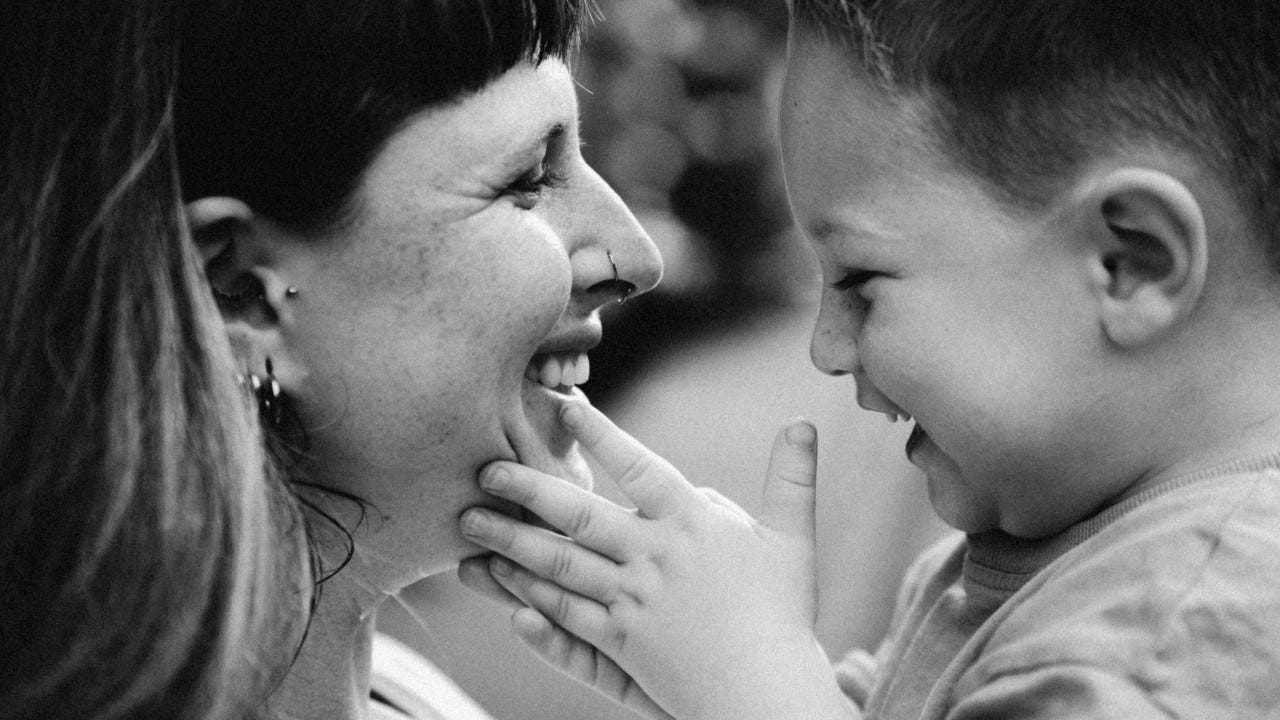
Photo by Hoi An Photographer on Unsplash
October 28, 2025
It often starts with good intentions. A parent rearranges her workday, gathers the paperwork, and sets out with her child for another appointment. The clinic is across town. Two buses and a missed lunch later, she arrives — hopeful but weary. The therapist greets her, glances at the clock, and mentions, “We really need to work on attendance.”
That single comment lands harder than intended. She feels judged, unseen, and disheartened. What the care team interprets as disengagement, she experiences as exhaustion. By the next appointment, she hesitates to return at all.
This small story mirrors what researchers Harold and Veronica Pollack reveal in their recent Pediatrics commentary on disability-based discrimination in children’s health care. Their analysis uncovers what many families already know in their bones: care too often comes with judgment. (Link to article: https://lnkd.in/gHgnSEst)
What the Research Shows
The Pollacks highlight data from the National Survey of Children’s Health showing that more than 11% of families with children with special health care needs (CSHCN) reported being treated unfairly because of their child’s condition. That translates to approximately 1.54 million children and families across the United States — each navigating not only complex medical needs but also the emotional burden of stigma within the very systems meant to support them.
The consequences are striking. Families who experience discrimination have twice the odds of forgoing needed care and are 45% more likely to visit the emergency department within the year.
These numbers are not simply data points — they are the measurable imprint of emotional fatigue, logistical strain, and a loss of trust between caregivers and providers.
This is also not unique to the US or even parent-caregivers but is also seen in experiences of all caregivers around the globe.
Behind Every Statistic Is a Story
In Unseen, Overburdened, and Undervalued: Navigating the Toxic Environment of Family Caregiving, I wrote about the resilience of caregivers who carry impossible loads while trying to protect the well-being of others. This research validates their reality: systemic inequities and subtle judgments don’t just make care harder — they shape health outcomes.
Behind every percentage point lies a parent who has been asked, implicitly or explicitly, to prove they are “good enough.” A mother who wonders if the team sees her child’s progress or only the missed appointments. A father who fears being labeled uncooperative for asking too many questions.
When caregivers feel dismissed or shamed, they internalize that pain. Over time, they may retreat from the very care their children need — not from neglect, but from emotional self-protection.
When Systems Collide with Humanity
The Pollacks’ article describes the practical realities: transportation barriers, the cost of missed work, childcare for siblings, and the punishing logistics of navigating public health systems. These barriers are rarely captured in care plans. Yet, they define caregivers’ lives.
Providers, too, operate within strained systems — overbooked, under-resourced, and subject to billing constraints that make every missed appointment feel personal. When these two worlds collide, empathy is often the first casualty.
Both sides want what’s best for the child. Both are tired. And both are working inside systems that ask for perfection from people already stretched to the limit.
From Judgment to Curiosity
As the Pollacks write, progress begins when providers approach families “with an attitude of curiosity and a clearly communicated intention to engage in joint problem-solving.”
Curiosity changes everything. It opens dialogue. It acknowledges complexity. It transforms conflict into collaboration.
When a care team asks, “What barriers are getting in your way?” rather than, “Why are you missing appointments?”, they invite honesty rather than defensiveness. When a caregiver feels safe enough to share the truth — that transportation is unreliable, that work hours are inflexible, that emotional exhaustion is real — new possibilities emerge.
The conversation shifts from blame to partnership.
From Julia’s Desk
In my coaching and advocacy work, I’ve witnessed this countless times: when caregivers are seen as equal partners in care, outcomes improve — not just for the child, but for everyone involved. Respect and trust are not luxuries; they are therapeutic tools.
The opposite is equally true. When judgment or bureaucracy replaces empathy, caregivers withdraw. Care fragments. And the cost — human and systemic — multiplies.
True care begins when we treat caregivers not as problems to be managed, but as experts in lived experience.
Coaching Spotlight
Where in our health systems — or our personal interactions — might judgment be standing in for curiosity?
What assumptions do we hold about caregivers that might unintentionally perpetuate stigma?
How might collaborative care look if we treated empathy as a measurable outcome?
A Call for Collaborative Compassion
The Pollacks’ research is more than a critique — it’s an invitation. It calls on us to reimagine care as a shared endeavour where every voice matters. That means asking harder questions about accessibility, accountability, and the invisible burdens that shape health behaviours.
Care shouldn’t feel conditional. It should feel safe, affirming, and grounded in respect.
Because when caregivers feel seen and supported, children thrive — and the entire system begins to heal.
Julia Huckle Executive Coach | Caregiver Advocate | Author of Unseen, Overburdened, and Undervalued: Navigating the Toxic Environment of Family Caregiving